support@yorubalibrary.com
+2348073529208, 07038599574
Among Yoruba oral traditions, Ògún is closely associated with iron, strength, warfare, and ritual enforcement. Yet, beyond his identification with the forge and iron implements, he is also historically linked to palm wine (Emu). This beverage is not a casual indulgence; it carries ritual, social essence. Palm wine functions both as offering in ceremonial rites and as a medium for bonding. Its association with Ògún shows the intimate connection between his ferocious energy and fermented vitality.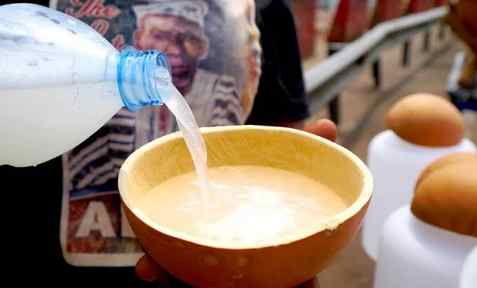 Palm wine, extracted from the sap of the oil palm or raffia palm, undergoes natural fermentation, transforming sugar-rich sap into an alcoholic beverage. Within the Yoruba worldview, this transformation mirrors Ògún’s own characteristics: dynamic, transformative, and forceful. The drink is considered a medium through which devotees communicate with him, offer homage, or accompany sacrifices, particularly during festivals, blacksmith rituals, or oath ceremonies.
Understanding the chemistry of palm wine enhances appreciation for its spiritual role. By linking fermentation, ritual, and theological symbolism, one can see why Ògún’s favored drink carries both cultural and scientific significance.
Extraction and Nature of Palm Sap
Palm wine is obtained by tapping the sap from cut or incised fronds of the palm tree, typically Elaeis guineensis (oil palm) or Raphia hookeri (raffia palm). Freshly tapped sap is sweet, slightly viscous, and rich in glucose and sucrose. This sap forms the substrate for fermentation, which occurs rapidly due to natural microbial presence.
In Yoruba ritual contexts, freshly tapped sap is valued for purity. It is used immediately in offerings to Ògún to reflect vitality and freshness. The method of collection and handling is important; contamination or improper handling is believed to diminish the drink’s spiritual potency. Devotees often ensure that tools used are clean, and containers are untainted, mirroring the importance of ritual purity. The initial sugar content varies between palm species, climate, and season. Sap contains not only fermentable sugars but also amino acids, minerals, and trace compounds, giving it nutritional and energetic properties.
The Science Behind Fermentation of Palm-wine
Fermentation begins naturally when yeasts present in the environment colonize the sap. The primary yeast species responsible is typically Saccharomyces cerevisiae, which metabolizes glucose and sucrose to produce ethanol (alcohol) and carbon dioxide. Other microorganisms, including lactic acid bacteria, contribute minor metabolic products that influence flavor and aroma.
This transformation is rapid; within hours, palm sap begins fermenting, increasing alcohol content and producing a naturally effervescent quality. In ritual practice, slight effervescence is often preferred because it symbolizes energy, vitality, and the dynamic presence of the deity. As fermentation continues, ethanol concentration rises, and the drink becomes more acidic. The gradual shift in taste—from sweet to mildly sour—is interpreted spiritually as the manifestation of Ògún’s temper
Wait a bit... Do you know that understanding the Orishas requires more than surface knowledge?
Get a structured and comprehensive eBooks on Orisha Osun, Orisha Oro, Orisha Sango, Orisha Ogun, Orisha Obatala, and Orisha Esu, covering how they are deified, rituals, taboos, festivals, oriki and more. Available individually or in bundles
Ritual Symbolism of Fermentation
The chemical changes in palm wine mirror spiritual concepts. The sweet sap represents life in potential, purity, and offering. As it ferments, the transformation embodies force, power, and unpredictability—qualities associated with Ògún. Just as iron transforms from ore to tool or weapon, sap transforms into a potent, lively beverage. Both processes require careful attention and timing.
During ritual offerings, palm wine is poured on the ground, presented at shrines, or shared among devotees. The effervescence and aroma are not mere sensory experiences. Palm wine is also central in rites such as oath-taking (Ìbúra Ògún). Sharing a small measure among participants symbolizes shared accountability and invokes the deity as witness.
Variability and Environmental Influence
The chemical composition and fermentation rate of palm wine depend on environmental factors:
1) Temperature: Higher ambient temperatures accelerate yeast activity, producing faster fermentation and more alcohol.
2) Microbial flora: Local yeasts and bacteria introduce subtle flavor differences, making each palm wine batch unique.
3) Collection timing: Morning or afternoon sap may differ in sugar content and microbial load.
4) Palm species: Oil palm and raffia palm saps have distinct sugar and amino acid profiles.
Yoruba Herbs, Plants and Medicine Made Simple!
Spiritual knowledge is powerful—but when combined with herbal wisdom, it becomes complete. Check out Common Ailments and Their Natural Cures (preview here), Identification & Properties of Different Plants (see sample), Yoruba proverbs associated with different Herbs (see preview).
With these e-Books, you can treat illnesses naturally. Understand the proverbs behind plants/herbs. Identify plants, roots, barks with confidence.
Practical Implications for Ritual and Devotion
For devotees and priests of Ògún, understanding fermentation is practical. Freshly tapped sap is considered more potent for ritual offerings; over-fermented wine may be avoided or used differently. Knowledge of timing, storage, and handling enhances both efficacy and respect for the deity.
The preparation and consumption of palm wine in ritual contexts demonstrates a sophisticated integration of natural science and theology.
Conclusion
Palm wine exemplifies the intersection of Yoruba religious practice and natural chemistry. The fresh sap’s transformation through fermentation mirrors the divine force of Ògún—dynamic, potent, and morally consequential. Through this beverage, devotees connect materially and spiritually with the deity, invoking his presence, and acknowledging his authority.

Learn the general taboos of Orisha Oko in Yoruba c…

Check out the common items used in worshiping Oris…
CONNECT WITH US: