support@yorubalibrary.com
+2348073529208, 07038599574
Ewe Ope (or Mariwo Ope), the leaf of the African oil palm (Elaeis guineensis), is one of the most important and multi-functional plants in Yoruba traditional life. The palm tree (igi ope) has an economic, and spiritual functions, depicting abundance, prosperity, and divine blessing. Every part of the palm — from its fruit and oil to its leaves and sap — serves valuable purposes in daily living and spiritual rituals. The Yoruba people often describe the palm tree as “Igi Owo” (Money tree) - this is because none of palm tree part is useless - ekuro, ogunso (sugudu/lagidi), igbale, epo pupa, emu etc.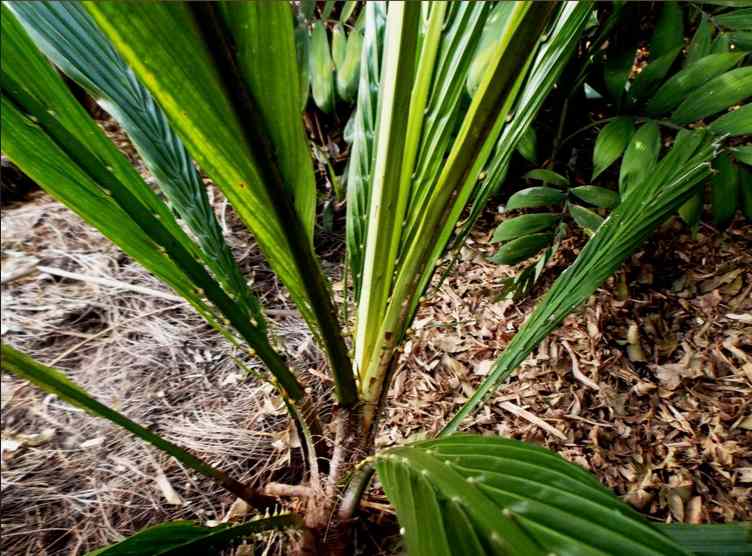 The leaves of the palm, known as Ewe Ope (also referred to as Imo), are used in numerous herbal remedies and traditional ceremonies. They serve both as a source of physical healing and as spiritual protection. The long, firm fronds are often woven into sacred symbols, used to decorate shrines, and employed in rituals for peace, cleansing, and success. In herbal medicine, the leaves are used for treating fevers, infections, and digestive issues, as well as for preparing protective charms that ward off negative forces.
From ancient times, Ewe Ope has also been used as a purifying element in rites of passage, festivals, and cleansing rituals. Its deep green color depicts life, continuity, and fertility, showing its role in restoring balance to both body and spirit. In modern Yoruba herbal practice, healers still rely on Ewe Ope for its healing, protective, and symbolic powers.
Key Facts
Category: Leaf
Botanical Name: Elaeis guineensis
Yoruba name: Ewe Ope (or Imariwo Ope or Imo Ope)
Igbo Name: Nil
Hausa Name: Nil
Characteristics
Ewe Ope comes from the tall African oil palm, which grows up to 20 meters high. The tree has a thick trunk and a crown of large, feather-like fronds. Each frond may reach up to 5 meters long and contains numerous narrow, pointed leaflets arranged in a graceful pattern. The leaves are tough, glossy, and deep green in color.
The Ultimate Herbal Knowledge is here!
Do you know you can treat illness naturally with plants in your environment and also have a pure understanding of Yoruba Herbs? Our comprehensive e-Books make this possible easily!
Download our 3-in-1 e-Book comprising Common Ailments and Their Natural Cures (preview here), Identification & Properties of Different Plants (see sample), Yoruba proverbs associated with different Herbs (see preview).
These e-Books are specially done for a great understanding of Yoruba Herbal Knowledge. For affordability by everyone, it costs only a token!
Identification Features
Check out different ways to correctly identify Ewe Ope amongst other leaves:
1) Leaf: Long, feather-like fronds with sharp, narrow leaflets.
2) Stem: Rough, fibrous trunk with crown-shaped top.
3) Fruit: Clusters of reddish-orange palm fruits.
4) Habitat: Common in tropical forests and cultivated farms throughout Yorubaland.
Uses
1. Fever and Malaria Treatment
A decoction of Ewe Ope is used to treat fever and malaria. The leaves are boiled with other medicinal plants, producing a bitter but effective mixture that reduces body temperature, fights infection, and restores vitality.
2. Treatment of Skin Rashes and Wounds
The leaf extract is applied topically to skin irritations, boils, and minor wounds. Its cooling and cleansing properties help reduce inflammation and speed up healing. Yoruba healers often mix it with palm kernel oil (adin dudu) to enhance its effectiveness.
3. Stomach Disorders and Indigestion
Ewe Ope infusion helps relieve stomach upset, indigestion, and mild diarrhea. The decoction (Agbo) is known to cleanse the digestive system and restore balance, especially after consuming heavy or oily meals.
4. Protection Against Negative Energy
Spiritually, Ewe Ope is used as a powerful protective leaf. It is hung in doorways, placed in ritual baths, or burned during cleansing rites to ward off evil spirits and negative energy. Yoruba priests use it in ceremonies of purification, often accompanied by palm oil or palm fronds as symbols of peace.
5. Postpartum Cleansing and Recovery
New mothers are traditionally bathed with water infused with Ewe Ope to aid recovery after childbirth. The leaf helps cleanse the body, reduce postpartum inflammation, and restore spiritual and physical balance.
6. Ritual Symbol of Peace and Blessing
In Yoruba custom, the palm leaf is a universal sign of peace. During certain rituals, Ewe Ope is waved or laid on altars to invite blessings, calm disputes, and signify goodwill. It is also used in welcoming ceremonies and thanksgiving offerings.
Wait a bit... What made Yoruba people called Sango as Jakuta or Oba Koso? Why is Obatala referred to as Apex Deity? Who is Ogun Onire?
Understanding the Orishas requires more than surface knowledge. Get a structured and comprehensive eBooks on Orisha Osun, Orisha Oro, Orisha Sango, Orisha Ogun, Orisha Obatala, and Orisha Esu, covering how they are deified, rituals, taboos, festivals, oriki and more. Available individually or in bundles
Conclusion
Ewe Ope, the sacred palm leaf, stands as a powerful emblem of healing, peace, and abundance in Yoruba tradition. From curing fevers and stomach ailments to cleansing the body and protecting the spirit, its uses span both the physical and the spiritual realms. The Yoruba saying “Igi ope kii ṣofo” — “nothing from the palm tree is wasted” — perfectly captures its essence.
Know more about the Yoruba traditional uses and he…
Learn about Ewe Aran, a potent Yoruba medicinal le…
CONNECT WITH US: