support@yorubalibrary.com
+2348073529208, 07038599574
In Yoruba religious philosophy, divinity is not rigidly singular in expression. A single Orisha may manifest in multiple forms, each depicting a particular function, temperament, or historical memory. This theological elasticity allows the divine to operate across varied social and ecological contexts. Ògún, the divinity of iron, force, warfare, craftsmanship, and enforcement, is one of the Orisha most frequently described through multiple manifestations, often referred to collectively as Ògún Méje — the Seven Ogun.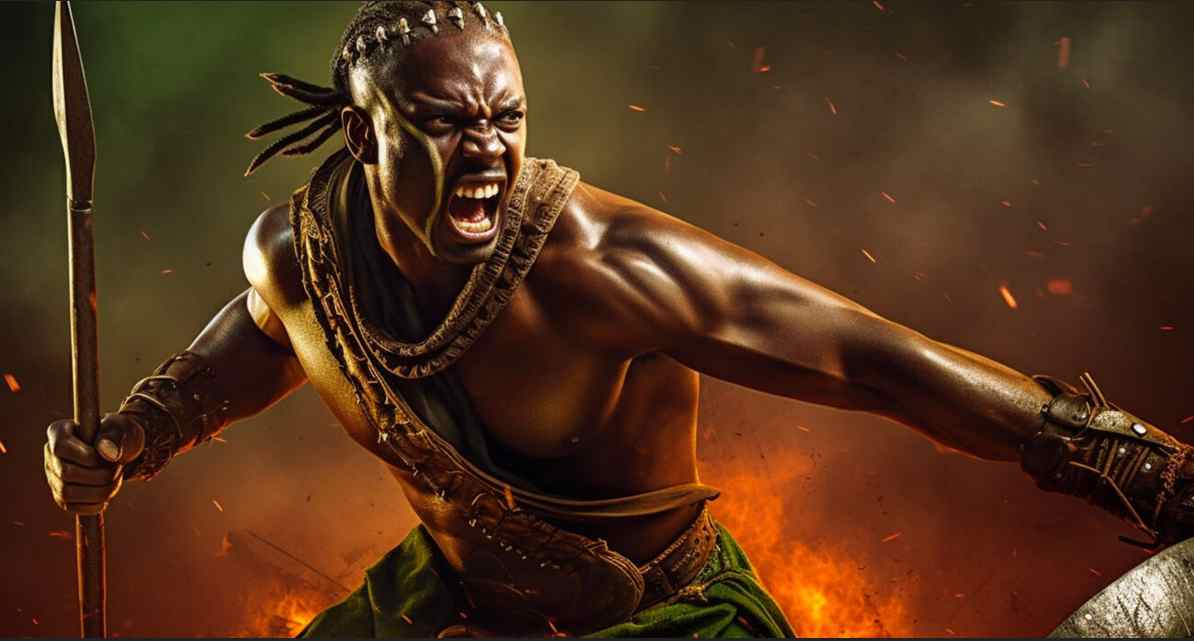 The idea of Ògún Méje does not imply seven separate gods. Rather, it expresses seven dimensions or operational pathways of the same divine force. Just as iron can serve agricultural, domestic, judicial, industrial, or military purposes, Ògún’s power adapts to context.
Understanding Ògún Méje requires attention to oral tradition, regional variation, ritual specialization, and functional theology. The sevenfold classification is not uniform across all Yoruba towns; names and emphases may differ. However, the principle remains consistent: Ògún’s power is multidimensional, and each manifestation corresponds to a specific domain of life and social organization. In this article, we will showcase four (4) amongst those seven types of Ogun we have.
1) Ògún Alára:
Ògún Alára is often associated with courtly authority and structured political space. In some traditions, this manifestation links Ogun with royal compounds and governance. Iron in this context symbolizes sovereignty, enforcement of law, and territorial protection.
The title Alára carries connotations of rulership and possession of domain. Here, Ògún operates not as wild forest warrior but as disciplined guardian of palace and polity. His force becomes institutional rather than raw. This manifestation shows how Yoruba states integrated divine sanction into governance. Iron weapons protected kingdoms, and judicial enforcement relied on fear of Ògún’s retaliation.
2) Ògún Oníré:
Ògún Oníré is frequently associated with labor, trade, and technological transformation. In this dimension, Ògún becomes patron of blacksmiths, mechanics, artisans, and workers whose livelihoods depend on metal.
The term Oníré suggests ownership of prosperity or active engagement in productive enterprise. This manifestation emphasizes the constructive aspect of iron. Tools for farming, carving, building, and crafting fall under this expression of Ògún’s power.
Wait a bit... Do you know that understanding the Orishas requires more than surface knowledge?
Get a structured and comprehensive eBooks on Orisha Osun, Orisha Oro, Orisha Sango, Orisha Ogun, Orisha Obatala, and Orisha Esu, covering how they are deified, rituals, taboos, festivals, oriki and more. Available individually or in bundles
3) Ògún Elemona:
Ògún Elemona is associated in some traditions with watchfulness and defensive readiness. In this dimension, Ògún guards gates, roads, and transitional spaces. The name Elemona is linked in oral accounts to guardianship roles within certain Yoruba towns. Iron weapons stationed at entrances symbolized readiness against intrusion.
As Elemona, Ògún’s vigilance mirrors the alertness of iron-bearing warriors standing watch. The manifestation emphasizes protection over aggression.
4) Ògún Akírun:
This manifestation emphasizes judicial enforcement and oath accountability. As Onípa, owner of lethal strike, Ògún punishes deceit and betrayal. This is the road most closely aligned with courtroom oath-taking and covenant enforcement. Iron becomes witness and executor. Swearing falsely under this manifestation was believed to invite swift repercussion. Here, Ògún’s identity as upholder of truth reaches theological intensity.
Need the complete types Ogun and their details (The Seven Oguns)? Buy our premium ebook on Orisha Ogun Ni Ile Yoruba using the above link.
Yoruba Herbs, Plants and Medicine Made Simple!
Spiritual knowledge is powerful—but when combined with herbal wisdom, it becomes complete. Check out Common Ailments and Their Natural Cures (preview here), Identification & Properties of Different Plants (see sample), Yoruba proverbs associated with different Herbs (see preview).
With these e-Books, you can treat illnesses naturally. Understand the proverbs behind plants/herbs. Identify plants, roots, barks with confidence.
The Sevenfold Structure
The number seven in Yoruba cosmology often signifies completeness or fullness of operation. Ògún Méje does not rigidly enumerate exactly seven identical forms everywhere. Rather, it communicates totality of function. Iron operates across domains: war, farming, governance, oath, industry, protection, and settlement. Ògún’s seven roads express this total social integration.
Regional Variation and Fluidity
It is important to note that lists of Ògún Méje differ across regions. Some towns emphasize particular manifestations more strongly due to local history. Others merge certain forms or add additional titles.
This fluidity does not weaken theological coherence. Instead, it demonstrates that Yoruba religion evolved organically within distinct political and ecological environments.
Conclusion
Ògún Méje represents the multidimensional operation of iron within Yoruba cosmology. Through different manifestations, Ògún governs warfare, agriculture, governance, industry, boundary protection, vigilance, and judicial enforcement. The concept of seven roads communicates fullness of power rather than fragmentation of identity.
Learn the general taboos of Orisha Oko in Yoruba c…

Check out the common items used in worshiping Oris…
CONNECT WITH US: